
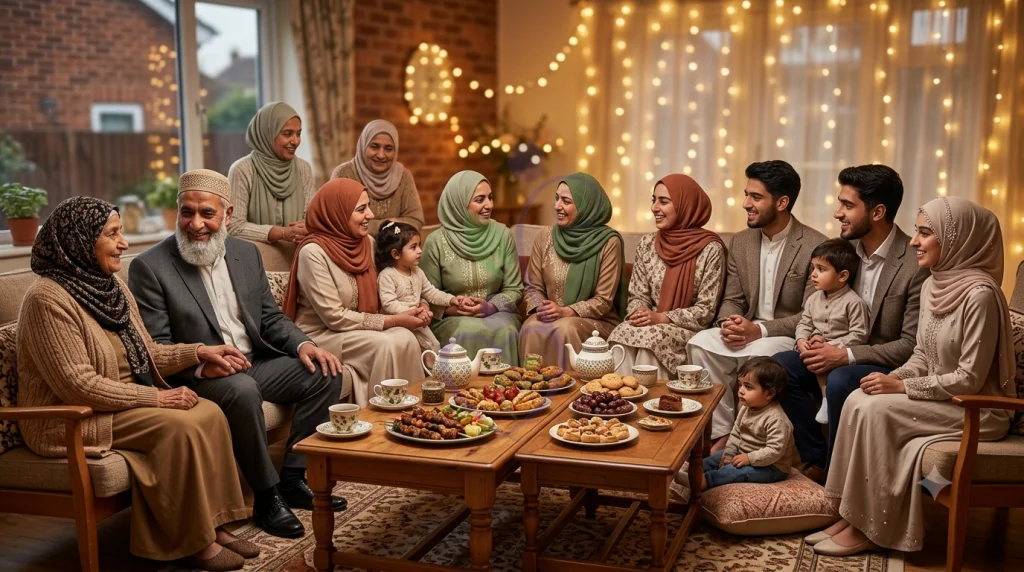
The Role of Family in Muslim Marriage: Where Tradition Ends and Overstepping Begins
Ask ten different Muslim families about how much family should be involved in a marriage and you will get ten different answers. Some believe the parents should identify, vet, and approve the match entirely, with the young couple meeting only a handful of times before the nikah. Others believe the young people should have almost total freedom and the family's role is simply to give their blessing.
The truth, as Islam presents it, sits somewhere between these two extremes. And understanding exactly where is important for both parents and the young people going through the process.
Why Family Involvement Is Islamic, Not Just Cultural
The concept of the wali, the guardian, is not a cultural invention. It is a requirement in Islamic marriage law. A woman's nikah requires the presence and consent of her wali, traditionally her father or another close male relative. This is not patriarchy for its own sake. It is a recognition that marriage is not only an individual matter. It is a family matter. It affects the entire family network on both sides.
The wisdom in this is practical as well as spiritual. A father or guardian who knows his daughter well brings perspective, experience, and protective concern to the evaluation of a potential husband. He can ask questions that a young woman in the early stages of interest might be too hesitant to ask herself. He can check things she might not know to check. He can slow things down when they are moving too fast.
This is the role the family is meant to play. An additional layer of wisdom, protection, and support.
Where It Goes Wrong
The role becomes harmful when it shifts from support to control. And in many British Muslim families, that shift happens without anyone fully realising it.
It goes wrong when the family's preferences are treated as more important than the young person's consent. When a match is presented not as "here is someone we think is worth meeting" but as "we have told them yes on your behalf." When a no from the young person is treated as a problem to be argued out of rather than a position to be respected.
It goes wrong when the family uses emotional leverage. "After everything we have done for you," "you are breaking your mother's heart," and "the whole family will be embarrassed" are not arguments for a marriage proposal. They are forms of pressure that should not feature in an Islamic decision about something as serious as who someone spends their life with.
It goes wrong when families prioritise their own social comfort over their child's genuine wellbeing. A match that looks impressive to the community but that the young person has genuine concerns about is not a good match. The community's opinion of the family will not make the marriage easier to live in.
What a Good Family Involvement Looks Like
The families who navigate the marriage process most successfully are the ones who have built enough trust with their children that the conversation can be honest.
The child feels comfortable telling their parents what they are actually looking for, including things the parents might not initially approve of. The parents feel comfortable sharing their perspective without it feeling like a judgment or a demand. There is genuine dialogue.
When a potential match comes up, both generations look at it together. The parents contribute their assessment of the family, their network knowledge, and their life experience. The young person contributes their personal impression, their instincts, and their understanding of their own needs. Both perspectives are treated as valuable.
When there is a disagreement, it is handled with respect on both sides. The young person does not dismiss the parents' concerns. The parents do not override the young person's feelings. They work toward a shared understanding, even if that understanding is "this one is not right and we move on."
A Note on Extended Family
One of the more complicated aspects of the Muslim marriage process in British South Asian communities is the involvement of extended family, aunties, uncles, grandparents, cousins, all of whom often feel entitled to have a view.
Their care is usually genuine. But their involvement needs to be managed carefully. The opinions of extended family members who do not know the young person well, who have their own social agendas, or who are comparing the situation to marriages that happened in a completely different time and context are not always helpful.
Parents need to protect their child from extended family pressure as much as they need to protect them from outside influences. Keeping the details of the search private until something concrete emerges is one of the most protective things a parent can do.
The Shared Goal
Every family that is involved in a Muslim marriage process, at whatever level, should keep one thing in mind. The goal is not to produce a marriage. The goal is to help build a good one. A marriage in which their son or daughter has a real partner, a home that is peaceful, and a life that is blessed.
That goal is only served by honesty, by listening, and by always remembering that the person whose life will actually be lived inside this marriage is the young person you are trying to help.